Inclusive Beach Protection Plan
Inclusive Beach Protection Plan
Protect Beaches from Vehicles While Preserving Access for Disabled People
1. Establish “Vehicle-Free Beaches” with Accessibility Built In
The goal is not simply banning vehicles, but creating better, safer, and more inclusive access.
Proposal:
Ban recreational SUVs and 4WD vehicles from selected beaches.
Replace vehicle access with purpose-built accessible infrastructure.
This reframes the discussion from “removal of access” → “improved inclusive access.”
2. Create Accessible Beach Access Points
Instead of vehicles driving everywhere on the sand, build designated accessible entry points.
Possible features:
Accessible pathways
Boardwalks or firm compacted paths from carparks to beach
Minimum width: 1.5 m – 2 m
Low gradient for wheelchairs and mobility scooters
Accessible parking close to beach
Mobility parks located directly beside the access path
Firm surfaces for wheelchair transfers
Beach access ramps
Rubber matting or rollout pathways onto sand
Used successfully worldwide
These improvements often provide better access than vehicles ever did.
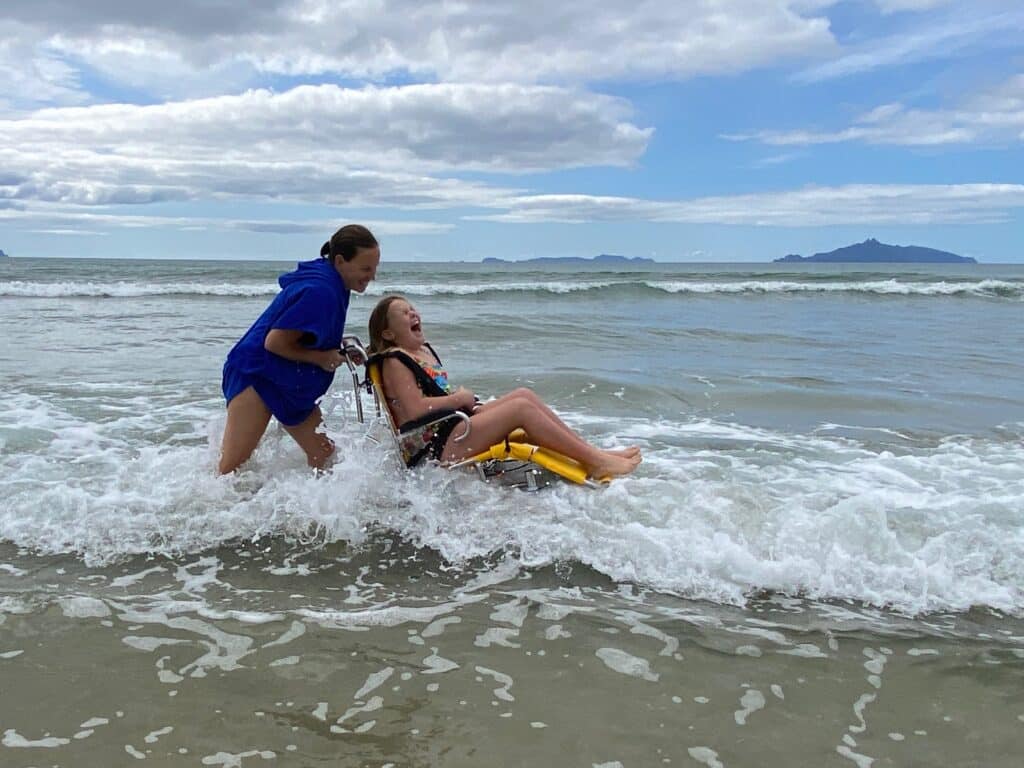
3. Provide Beach Wheelchairs
Many beaches globally now offer free beach wheelchairs.
These are:
Large balloon tyres
Stable on sand
Often amphibious (can enter water)
How to implement:
Managed by council, surf lifesaving clubs, or local charities
Booking system online or through visitor centres
Benefits:
Allows wheelchair users to reach the water safely
Removes need for vehicles on the sand
4. Permit-Based Access for Disabled Visitors
For beaches where some vehicle access remains necessary:
Create a restricted mobility access permit system.
Possible rules:
Vehicles allowed only for mobility permit holders
Limited to designated access lanes
Strict speed limits
Seasonal restrictions during nesting seasons
5. Protect Wildlife and Dunes
Vehicle-free beaches help protect:
Shorebird nesting sites
Sand dunes and vegetation
Shellfish and marine ecosystems
Children and swimmers
You can frame the change as:
“Protecting fragile coastal ecosystems while ensuring beaches remain accessible to everyone.”
6. Use Pilot Beaches First
Rather than banning vehicles everywhere:
Start with pilot beaches.
Example approach:
Choose 1–2 beaches in each region
Install accessible infrastructure
Monitor outcomes
Measure:
Environmental improvements
Visitor satisfaction
Accessibility outcomes
Success stories help expand the model nationally.
7. Community Partnerships
Include stakeholders early:
Disability groups
Surf Lifesaving NZ
Local iwi
Environmental organisations
Accessibility experts
Tourism operators
Your lived experience perspective (as a wheelchair user and advocate) is extremely powerful in these discussions.
8. Education & Signage
Good signage is essential:
Examples:
“Vehicle-Free Beach – Safer for People, Wildlife, and Dunes”
“Accessible Beach Access This Way”
QR code to beach accessibility information
9. Funding Sources
Possible funding sources:
Regional council coastal management funds
Department of Conservation grants
Lottery Community Facilities Fund
Tourism infrastructure funding
Corporate sponsorship (wheelchairs, matting)
Accessible infrastructure is often cheaper than repairing dune damage caused by vehicles.
10. The Key Message
Your core message should be:
“Vehicle-free beaches should not mean inaccessible beaches.
With good design, they can actually become more accessible and safer for everyone.”