Inclusive Playground Equipment
Designing Playgrounds That Actually Work for Disabled Children
Accessibility is not the equipment — it’s everything around it.
Inclusive playground design is not about ticking boxes.
It is about creating spaces that children of all abilities can use safely, confidently, and independently.
At Children with Disability NZ, we use the lived experience of disability to guide better decisions. We help councils, schools, and communities design play spaces that work in the real world, not just on paper.
Who This Is For
For Councils and Schools
We provide practical, real world guidance to help you design inclusive playgrounds that meet community expectations, reduce risk, and avoid costly mistakes. From surfacing and layout to equipment selection and access, we help you get it right the first time.
We can support you to understand what true accessibility looks like, so you can advocate for better playgrounds in your local area and find spaces your children can actually use.
Inclusive Play Goes Beyond Equipment
A truly inclusive playground considers:
Access — Can a child reach the equipment independently?
Movement — Can they move freely without barriers or excessive effort?
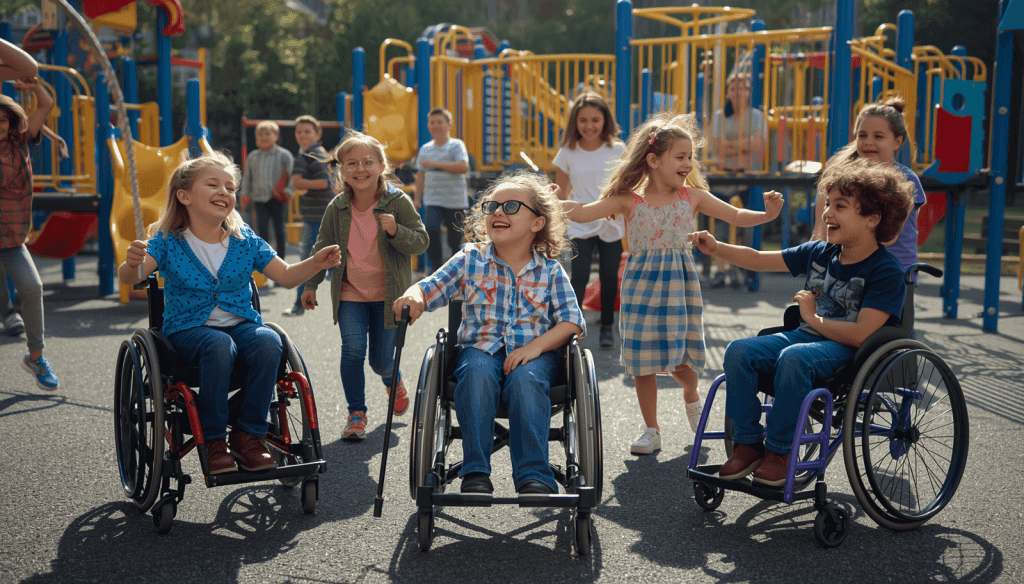
Social connection — Can they play alongside others, not separately?
Dignity — Can they use the space without needing assistance?
Accessibility is not an add-on. It is the foundation of good design.
What Good Inclusive Design Looks Like
Inclusive playgrounds are designed so that more children can participate, for longer, and with greater independence.
This includes:
Wheelchair-accessible swings that do not require harnesses or keys
Inclusive seesaws designed for shared, social play
Continuous accessible surfacing across the entire play space
Wide, level pathways with proper turning areas
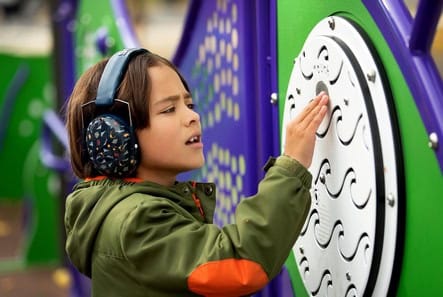
Integrated sensory and communication features within the playground itself
Good design removes barriers before they become problems.
Real Change Starts in the Community
We are actively working to improve inclusive play spaces across New Zealand.
One example is our advocacy for accessible play equipment at Pohe Island in Whangārei. We help drive conversations around what inclusive design should actually look like in practice.
Change happens when communities, councils, and lived experience come together.
Part of a Connected Network
This site is part of a wider network built by Children with Disability NZ to support inclusion across New Zealand.
Design guidance and best practice → Inclusive Playground Equipment NZ
Find real accessible playgrounds → Accessible Playgrounds NZ
Together, these platforms help turn awareness into action.
Let’s Get It Right From the Start
If you are planning a playground, upgrading an existing space, or advocating for change, we can help you make informed decisions based on real-world experience.
Designing for inclusion means designing for everyone.
Get advice, ask questions, or start the conversation today.
Inclusive Play Starts With Understanding Inclusion
Accessible playground equipment helps children play together, but genuine inclusion goes beyond the playground. Children also benefit from learning about disability, accessibility, participation and belonging from an early age.
Our network's Inclusive Education NZ provides child-friendly resources for children, families, teachers and schools that help build positive understanding of disability and inclusion.
Everyone Can Play
Inclusive resources that help children understand that play should provide opportunities for disabled and non-disabled children to participate together.
Explore Everyone Can Play ↗Disability Awareness
Child-friendly resources that encourage positive conversations about disability, difference, inclusion and belonging.
Explore Disability Awareness ↗Inclusive Classroom Activities
Practical learning activities for teachers and schools that help children explore inclusion, participation and disability together.
Explore Classroom Activities ↗Inclusive World NZ Elections 2026 Project
Inclusive Play, Accessibility and the New Zealand Election 2026
Government and council decisions influence playground funding, accessibility standards, inclusive design and the development of public spaces that welcome disabled children and adults. Inclusive World New Zealand has created an Elections 2026 resource exploring the disability policies and public decisions that could shape more accessible communities across Aotearoa New Zealand.
Accessible Communities
Explore election issues involving accessible public spaces, housing, transport, community facilities and inclusive local infrastructure.
Explore Accessible CommunitiesDisabled Children and Inclusion
Learn about policies affecting disabled children, inclusive education, recreation, participation and equal opportunities within their communities.
View Issues Affecting Disabled ChildrenDisability Rights and Accountability
Read about disability rights, accessibility obligations, public consultation and the responsibility of governments and councils to remove barriers.
Explore Rights and AccountabilityPolitical Party Disability Policies
Follow political party commitments relating to disability, accessibility, community infrastructure and inclusion during the 2026 election campaign.
Compare Disability PoliciesVisit the complete Inclusive World NZ Elections 2026 Disability Hub for political party policies, disability legislation, community opinions, sector responses and election news affecting disabled New Zealanders.
Visit the Elections 2026 Disability Hub